
- Posted on
- • App News
Security in Mobile Apps - Is it Really Safe?
- Author
-
-

- User
- AppBlogger
- Posts by this author
- Posts by this author
-
Mobile apps are woven into our daily lives, powering everything from banking and shopping to socializing and entertainment. With so much personal and financial data stored inside our phones, strong security is not just a technical requirement; it is a necessity for modern living. When I heard about this, it made me think about how much trust we place in the apps we download, often without a second thought.

Developers put enormous effort into securing their apps. They implement encryption, secure communication protocols, authentication layers, sandboxing, and routine updates. However, even the most experienced teams face a universal challenge: no system is perfect. Mobile operating systems change constantly, threat actors find new angles, and third party libraries sometimes introduce risks developers never expected.
A clear example occurred with WhatsApp in 2019. A critical vulnerability allowed attackers to install spyware on a device just by making a voice call, even if the user did not answer it. The flaw was quickly identified, the company pushed out an emergency patch, and users were urged to update. This case is a reminder that even the most popular, well funded, and frequently updated apps can experience security issues. What matters is the speed and transparency of the response.
Similar incidents have happened across the industry. In certain versions of TikTok, researchers once found a vulnerability that could have allowed attackers to manipulate user account data. The company fixed the issue promptly. Instagram, too, previously addressed a bug that exposed user contact information. These examples highlight that the problem is not limited to small startups or poorly maintained apps; it affects giants with millions or billions of users.
In the broader landscape of digital security, tools and services have stepped in to help monitor and detect vulnerabilities before they become widespread problems. Among them is TrustUsers, a service that monitors vulnerabilities for websites without requiring any code to be added. This kind of proactive approach helps businesses stay ahead of risks, freeing them from complex technical setups while still gaining valuable protection.
The truth is that mobile security is a continuous cycle: find vulnerabilities, patch them, strengthen defenses, and prepare for the next wave. Users play an important role too. Regularly updating apps, reviewing app permissions, installing software only from trusted stores, and staying aware of new threats can dramatically reduce risks. A secure digital environment depends on both developers and users participating actively.
From my perspective, the ongoing effort to secure mobile apps shows how dynamic and adaptive the tech world truly is. New tools, better encryption, stronger frameworks, and smarter monitoring solutions are appearing every year. At the same time, cyber threats continue to grow more sophisticated. This constant tug of war shapes the future of mobile security, ensuring that innovation never stops.
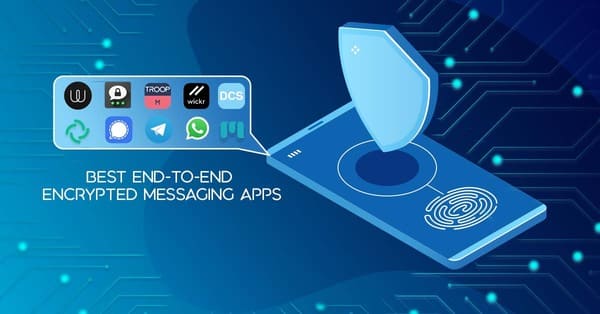
Ultimately, mobile apps will keep improving, but security will always need vigilance, collaboration, and quick action. As technology advances, so must our awareness and the systems that protect us. It’s a shared responsibility, and it is one of the most important aspects of our digital lives.