
- Posted on
- • App News
Why Some Apps Are Often Slower and More Resource-Hungry Than Others
- Author
-
-

- User
- AppBlogger
- Posts by this author
- Posts by this author
-

Ever notice that your phone battery drains faster when using dating apps like Tinder, Bumble, or Hinge than when browsing Instagram or checking your email? You’re not imagining it. While most “regular” apps such as messaging tools, browsers, or productivity apps are designed to balance performance and efficiency, dating apps often push your phone harder, consuming more data, storage, and battery power.
Let’s explore why this happens and how dating apps differ from the average mobile app in terms of speed and resource use.
The Basics: Regular Apps and Resource Management
Most everyday apps are optimized for speed and stability. Their functions are predictable checking email, reading the news, editing notes, or sending messages. These actions rely on straightforward data requests and caching (temporary storage that speeds up loading).
Developers of regular apps typically focus on:
Quick response times – apps like WhatsApp or Gmail open in seconds and refresh instantly.
Light background activity – they sync data occasionally, not constantly.
Efficient storage use – files and messages are small and often compressed.
Stable battery performance – background updates are limited to preserve power.
In short, these apps prioritize practicality. They use resources only when necessary and rarely need to load high-resolution images, location data, or dynamic user interfaces.
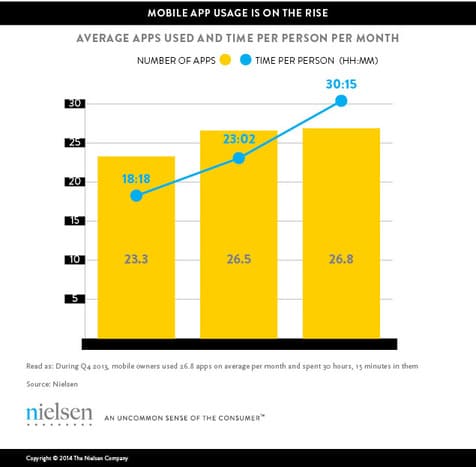
Why Dating Apps Consume More Resources
Dating apps, on the other hand, do much more behind the scenes. They’re not just chatting platforms they’re discovery engines combining social networking, geolocation, and real-time media.
Here’s what makes them heavier:
- Constant Location Tracking
Most dating apps depend on your real-time location to find matches near you. This means your phone’s GPS stays active longer than it does for most other apps. Even when minimized, many dating apps continue running background location updates, which drains both battery and CPU power.
- Endless Image Loading
Every swipe shows a new set of photos, and most of them are high-resolution images that load from remote servers. Unlike social apps that cache images from people you follow, dating apps fetch brand-new content for every user session. That constant downloading eats up data and memory fast.
- Complex Animations and Interface Effects
Tinder’s signature swipe, Bumble’s transitions, and Hinge’s video backgrounds all use animations that look smooth but require continuous GPU and CPU usage. These visual effects are small but cumulative over time, they can slow down performance or overheat older phones.

- Background Syncing and Notifications
Dating apps are designed to keep users engaged. They frequently ping servers to check for new matches, messages, or likes, sending push notifications even when closed. That translates into persistent background activity, which regular apps try to avoid.
- Heavy Use of Analytics and AI Matching
Modern dating apps rely on algorithms to suggest potential matches based on your behavior who you swipe right on, how long you view profiles, and what time you’re active. These continuous calculations and data transmissions can slow down the experience, especially on mid-range devices.
Speed Comparison in Practice
On a typical smartphone:
Opening a regular app (like Notes or Gmail) uses about 50–150 MB of RAM and negligible battery drain.
Opening a dating app (like Tinder or Hinge) can use 300–500 MB of RAM, increase CPU load, and reduce battery life by 10–15% per hour of active use.
The difference comes from background activity, image rendering, and constant data retrieval all essential to the app’s function but taxing for your device.
Can Dating Apps Be Optimized?
Some improvements are happening. Developers now use adaptive image compression and smart caching to load photos faster without overloading memory. GPS updates are throttled when the app is idle, and “lite” versions of apps (like Tinder Lite) are emerging in certain markets to reduce bandwidth usage.
Still, the nature of dating apps dynamic, visual, and location-driven means they’ll always demand more from your phone than a static app like a calculator or calendar.

How to Reduce the Impact
If you’re an active dating app user, a few habits can help keep your phone running smoothly:
Close the app completely when done don’t leave it running in the background.
Turn off constant location sharing and allow access only when using the app.
Limit notifications to reduce background syncing.
Use Wi-Fi when possible to save mobile data and reduce radio power drain.
Regularly clear cache or reinstall to remove temporary junk files that slow performance.
The Bottom Line
Regular apps are built for consistency, while dating apps are built for engagement and that difference shows up in speed and energy use. The interactive, visually rich, and constantly updating nature of dating platforms makes them resource-intensive by design.
So, if your phone feels slower or your battery dips faster after a long night of swiping, it’s not a bug it’s the cost of modern romance.